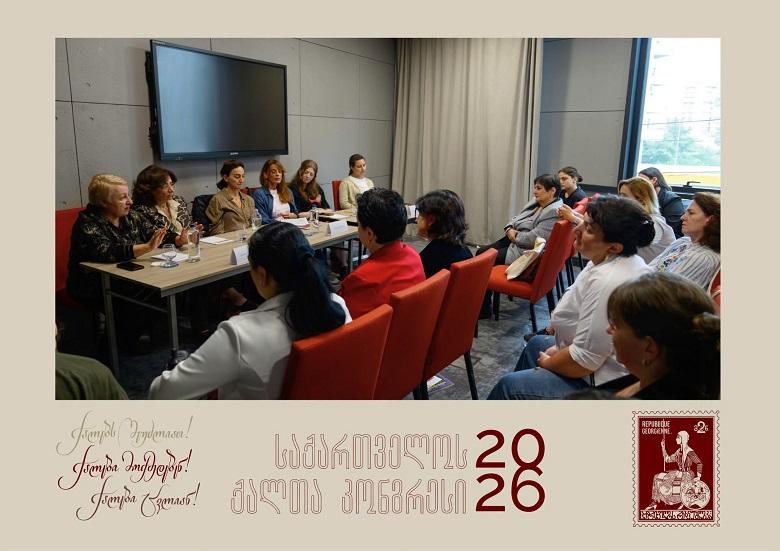
What barriers do rural women face when they need reproductive health care, safety-related assistance, and social protection services? How accessible are these services across different regions, and what needs to change to ensure that women can receive the support they need in a timely, safe, and equitable manner?
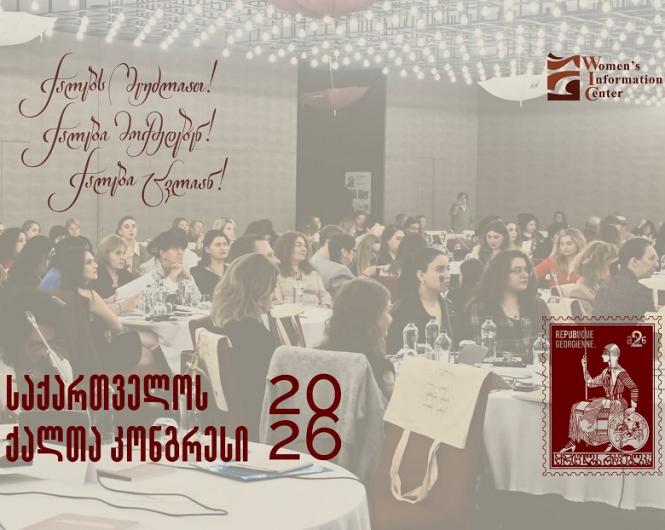
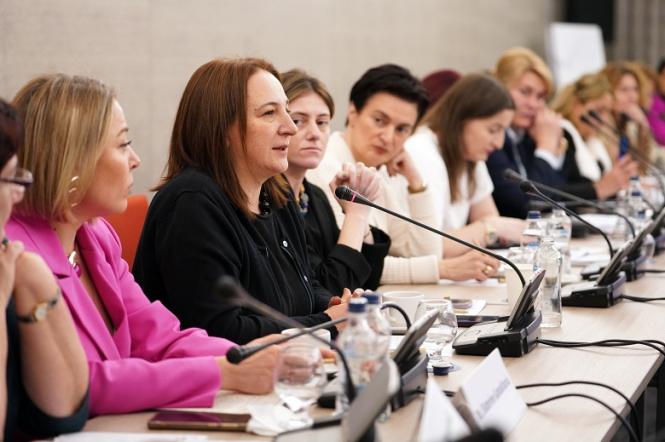
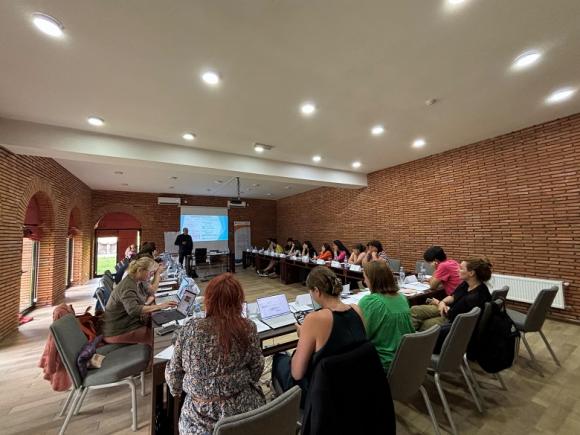
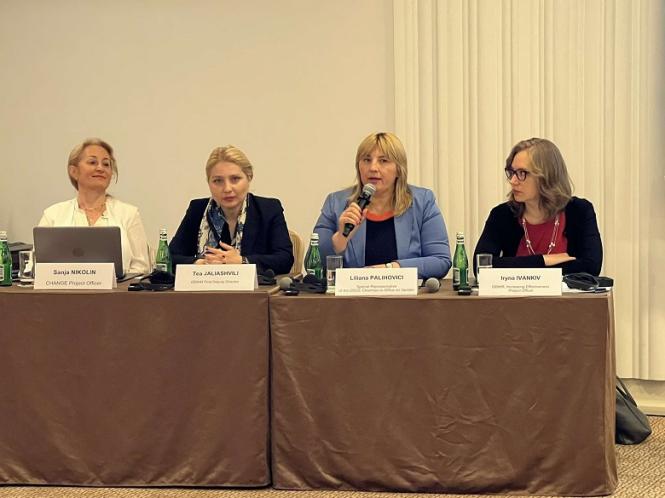
These issues were discussed during the third thematic panel of the Second Congress of Women of Georgia, titled “Health, Safety and Social Protection.” The panel focused on the well-being of rural women, their needs, and their actual access to support services. The discussion was moderated by Nana Avaliani, Gender Analyst at the United Nations Population Fund (UNFPA) Georgia Country Office.
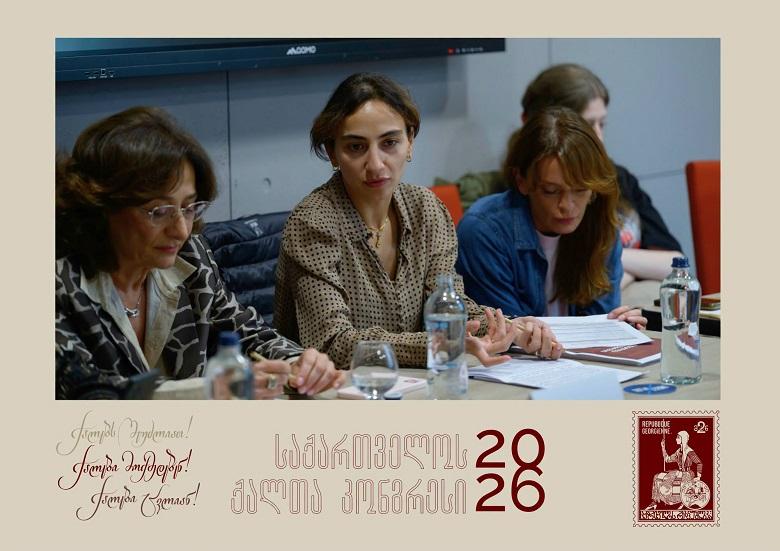
The speakers highlighted reproductive health, the rights and needs of women with disabilities, experiences with services for protection from violence, mental health, and the burden of care. An important part of the discussion focused on the physical, financial, informational, and social barriers that prevent women from accessing the services they need.
One of the panel’s key messages was that the existence of a service does not necessarily mean that it is genuinely accessible. It is important not only for support to be formally available, but also for women to be able to reach these services, obtain the necessary information, afford the costs involved, and have their rights, dignity, and personal information protected.
Reproductive Health and Awareness
Reproductive health expert Maia Janelidze spoke about the reproductive health of rural women, their access to information, and the availability of relevant services.
Reproductive health care is an essential component of women's well-being. Women must have access to reliable information and the opportunity to receive the medical care they need. It is particularly important that women's needs and choices are taken into account when decisions concerning their health are made.
For women living in rural areas, access to services cannot be measured solely by the presence of a medical facility. Access to information and the creation of conditions that make it easier for women to take care of their health are equally important.
The Rights of Women with Disabilities and Equal Access
Esma Gumberidze, a lawyer, civil society activist, and disability rights advocate, addressed the health and rights of women with disabilities and their equal access to services.
The discussion focused on the physical, informational, financial, and social barriers that women with disabilities may encounter when accessing health care and other essential services. Particular attention was also given to access to reproductive and other medical services, the right to make independent decisions, and the importance of incorporating the needs of women with disabilities into relevant policies and service planning.
Equal access means creating an environment and providing services that enable women with diverse needs to exercise their rights and receive the support they require. This requires the meaningful participation of women with disabilities in decision-making processes and the consideration of their experiences when relevant services are designed and developed.
Protection from Violence and Regional Support Services
Marina Modebadze, Chair of the Samtskhe-Javakheti Regional Committee of the Democratic Women's Society of Samtskhe-Javakheti and the National Network for Protection from Violence, spoke about the experience of a regional shelter and the availability of safety and support services.
Timely and appropriate assistance is particularly important for women who have experienced violence. Alongside ensuring a safe environment, it is essential to respond to their individual needs and provide support that helps them overcome difficult experiences and move forward with their lives.
The experience of regional services raises an important question: how easily can women access the assistance they need, regardless of where they live? When appropriate services are located far away or information about them is limited, accessing support can become more difficult.
It is therefore essential to ensure that protection services are accessible to women, that their needs are properly assessed, and that their safety and confidentiality are protected throughout the support process.
Mental Health, Psychosocial Support and the Burden of Care
Psychologist Elene Japaridze focused on mental health, psychosocial support, the burden of care, and the well-being of rural women.
Women's well-being encompasses more than physical health. It is also shaped by everyday responsibilities, family care, access to support, and the availability of essential services. When care responsibilities are distributed unequally, women may have less time and fewer resources to address their own health and personal needs.
In this context, recognizing the importance of mental health and psychosocial support is essential. Women should have the opportunity to access appropriate assistance when needed and to take care of their own well-being.
The discussion also highlighted that supporting women should not be viewed solely as an individual responsibility. It is essential to develop services and supportive environments that respond to women's actual needs and take their everyday challenges into account.
Health-Related Decision-Making and Women's Autonomy
Sexual and reproductive health expert Elene Kaikhosroshvili spoke about barriers to health care and the importance of autonomy in decision-making.
Women's health is closely linked to their ability to make informed decisions about their own health and needs. This requires access to reliable information, appropriate services, and an environment in which women's choices and rights are respected and protected.
Respecting women's autonomy in health-related decision-making and developing services tailored to their needs are essential components of equitable access to health care.
Women's Well-being Requires Accessible and Equitable Support
The panel discussion highlighted the close connection between the health, safety, and social protection of rural women. Reproductive health care, the protection of the rights of women with disabilities, services for protection from violence, and mental health support all require an approach that takes women's lived experiences and everyday needs into account.
For support services to be effective, they must be physically, financially, and informationally accessible. Women's rights and confidentiality must be protected, and stigma must be addressed. Women must also have the opportunity to obtain information, access the services they need, and actively participate in decisions concerning their health and safety.
Women's well-being and safety are a shared responsibility. Strong and accessible services, support tailored to women's needs, and the protection of their rights create the foundations for ensuring that every woman, regardless of where she lives or her individual circumstances, has equal opportunities to enjoy good health, safety, and a dignified life.
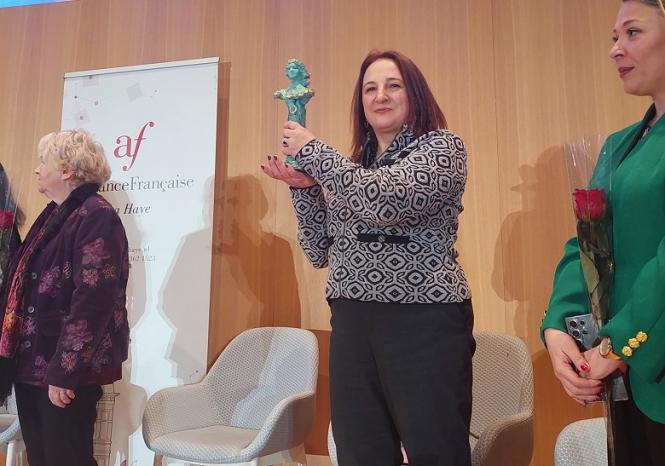
We take great pride in announcing that WIC from Georgia has been bestowed with the esteemed CAREC PROGRAM Gender Award—CAREC GENDER CHAMPIONS 2023. Certainly, it is noteworthy that women's organizations from various countries around the world were nominated for this prestigious award
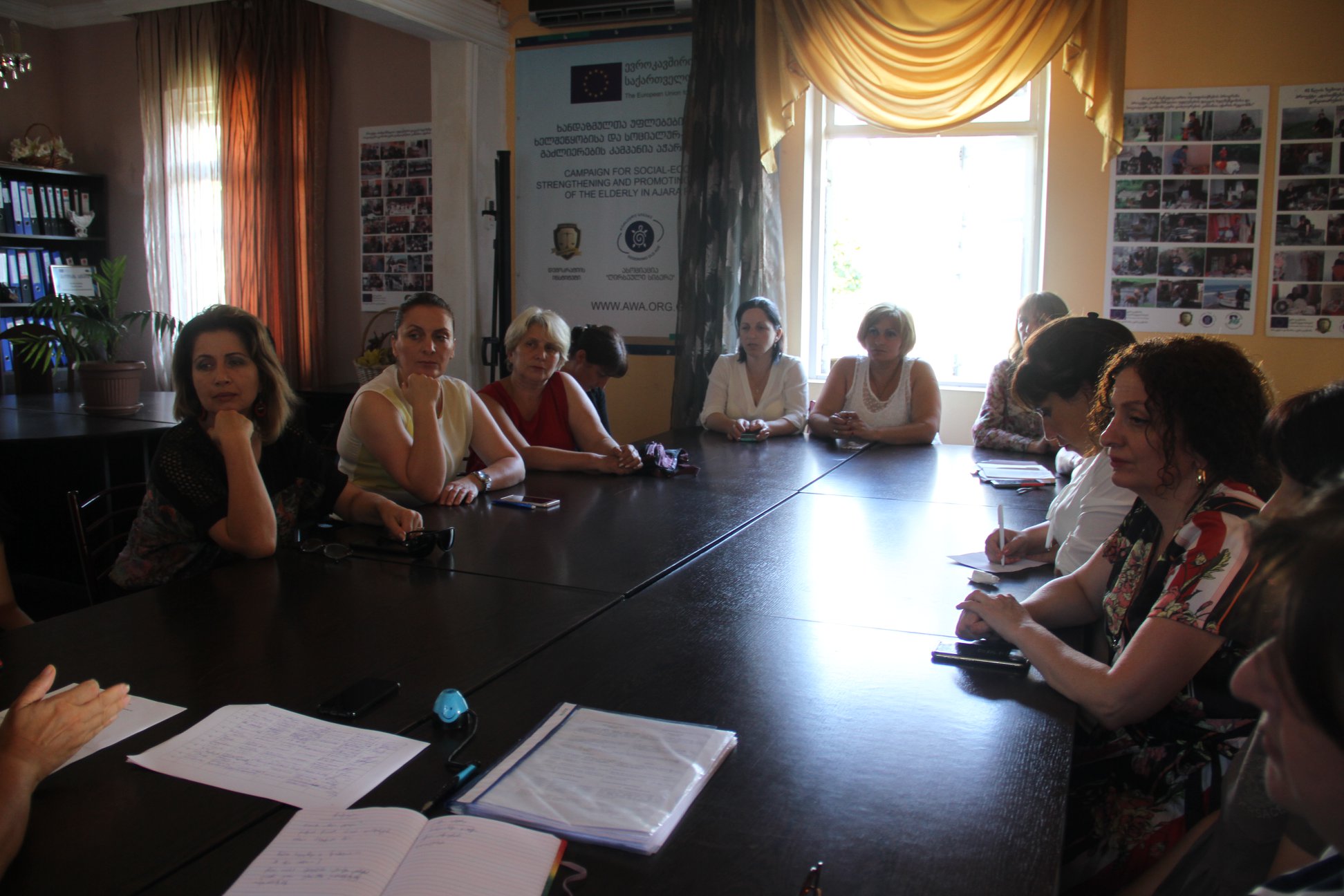
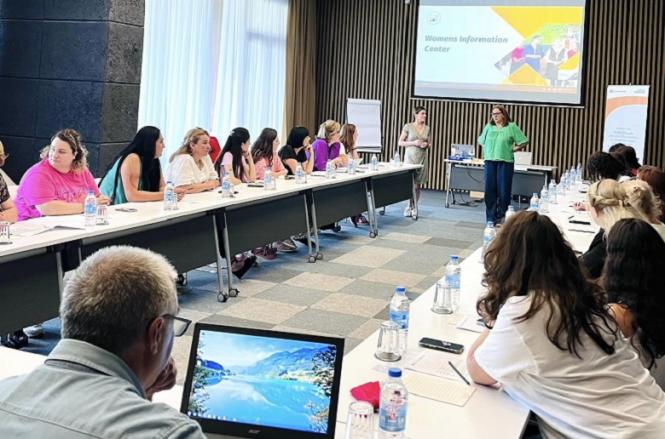
On July 26, 2019, representatives of the Women's Information Center organized a focus group in Kobuleti Municipality that included local leaders and women entrepreneurs who use / do not use the Women's Room Service.The purpose of the focus group was to evaluate the use of women's room services in the municipality for effective planning of further work.
 Address::
40, Tsinamdzgvrishvili Str., 0102,Tbilisi, Georgia