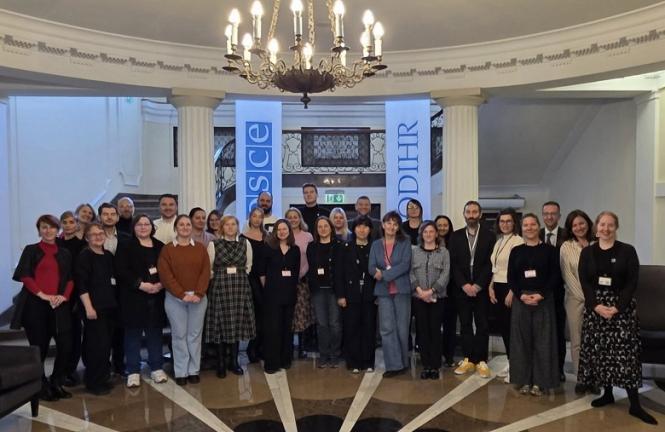
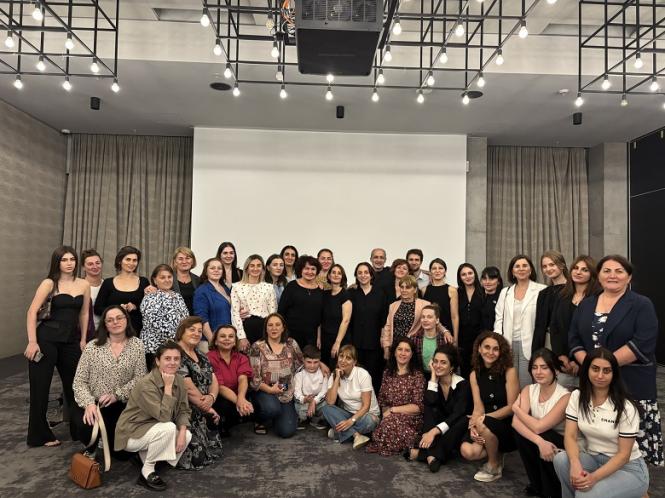
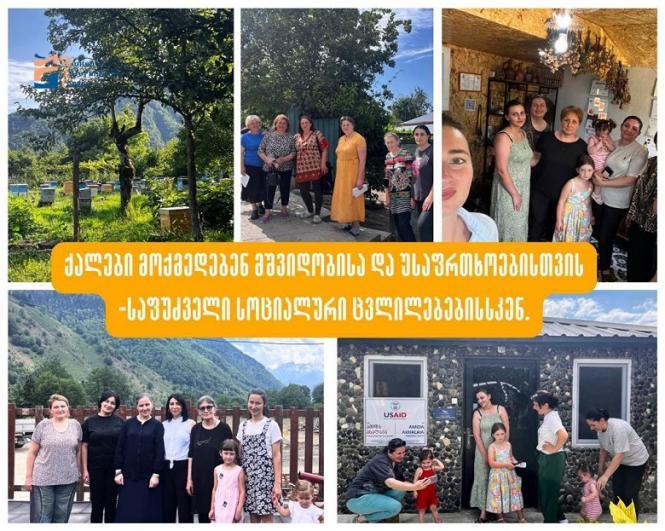
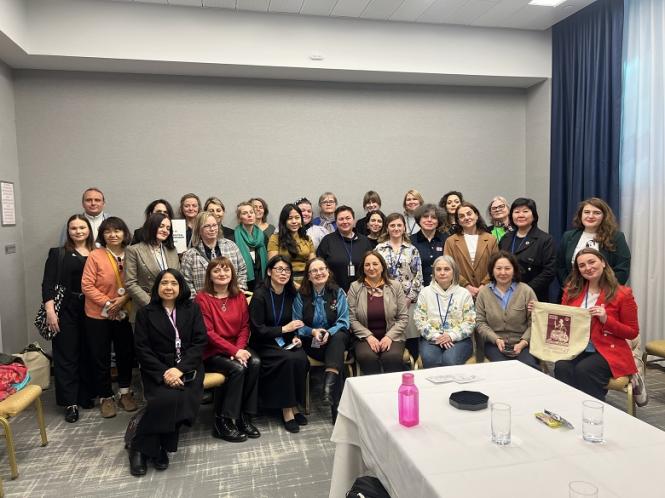
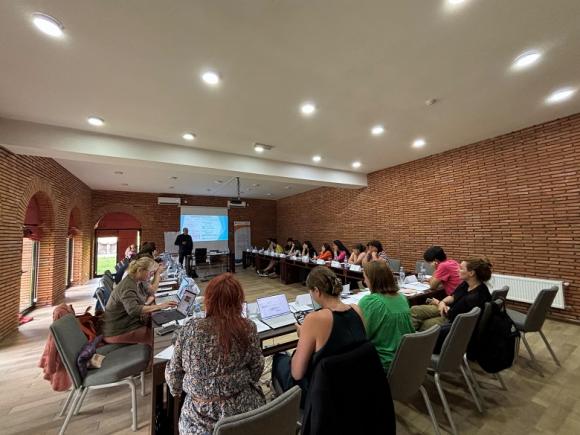
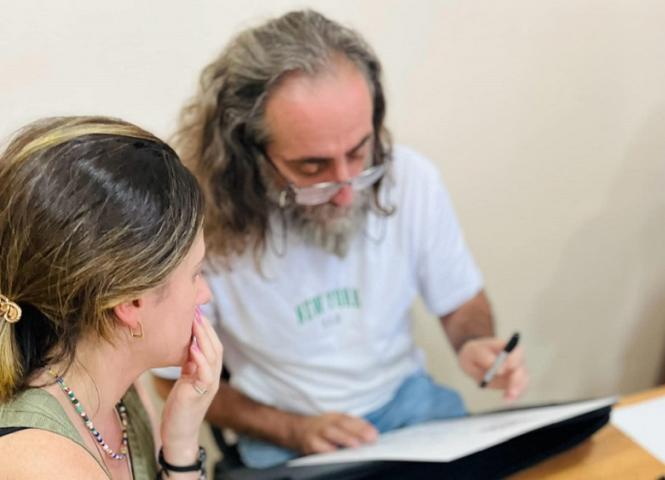
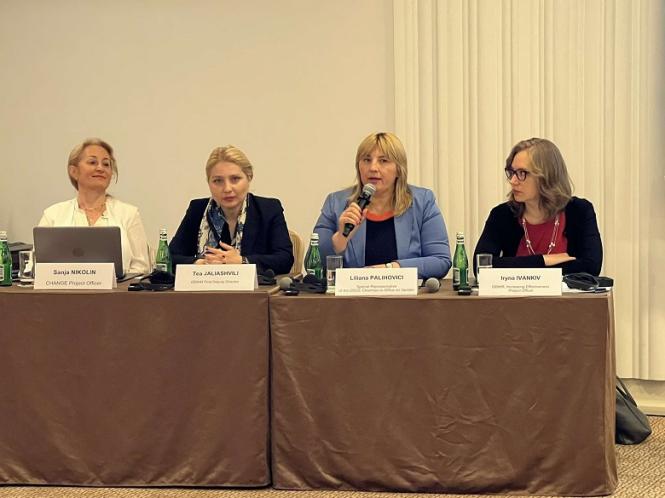
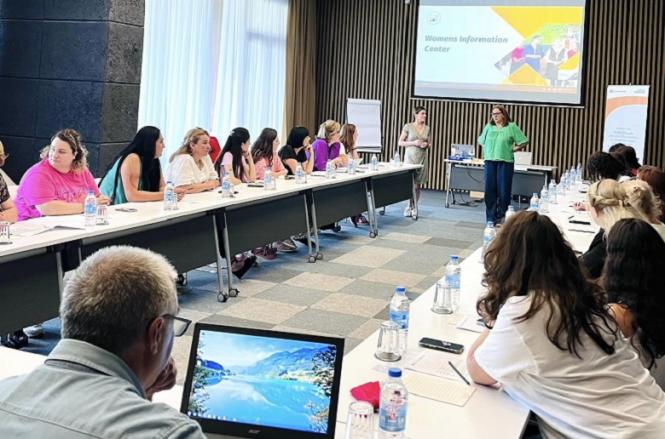
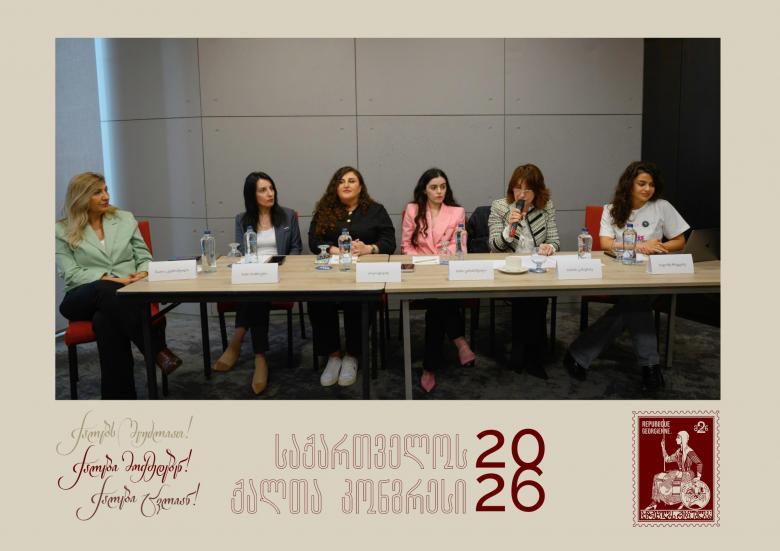
How do digital technologies create new opportunities for women, and what challenges do they pose in terms of access to information, safety, and participation in public life? These questions were at the heart of the fifth panel of the Second Women’s Congress of Georgia, titled “Digital Inclusion, Media and Modern Technologies,” which focused on access to information, innovation, and responsible communication.
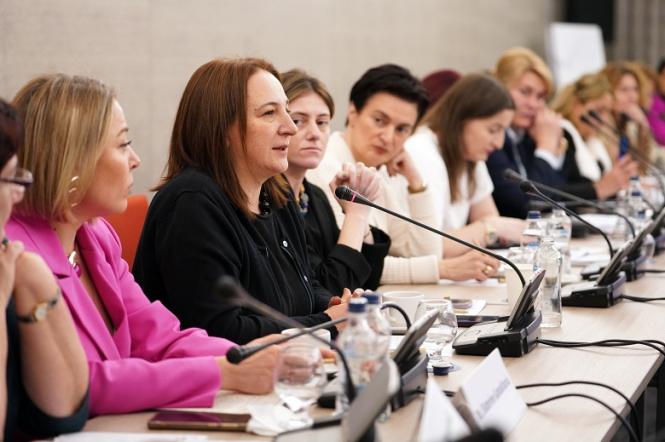
The panel, held on October 15, was moderated by Natia Kuprashvili, Chair of the Journalism Resource Center. Participants discussed the role of digital technologies, modern media, and communication in expanding opportunities for women, amplifying their voices, and strengthening their participation in public life.
Particular attention was given to the opportunities artificial intelligence and digital technologies offer women. Nino Chipchiuri, a specialist in artificial intelligence and digital technologies, spoke about how technology can support women’s development, access to knowledge, and ability to take advantage of new opportunities. At the same time, technological progress makes it essential to develop digital skills and ensure equal access to technology.
Marina Vashakmadze, Dean of the School of Media at New Vision University, addressed media literacy and modern communication. The discussion highlighted the changing landscape of information access and the challenges related to the spread and reliability of information in the digital space, as well as its influence on public opinion. As access to information expands, the ability to think critically, verify sources, and recognize manipulative messages becomes increasingly important.
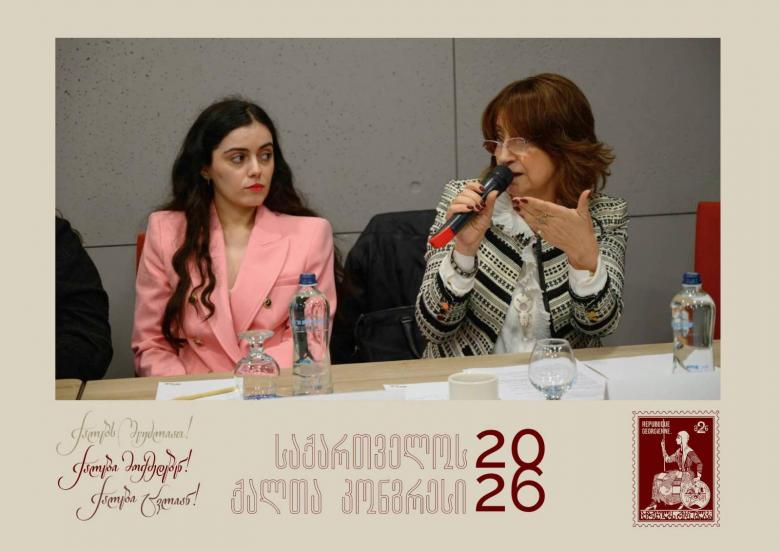 A significant part of the panel focused on amplifying the voices of women living in ethnic minority communities. Tiko Davadze, a representative of Radio Marneuli, highlighted the importance of regional media and local communication. Local media play a vital role in bringing forward the experiences of women whose needs and perspectives are often underrepresented in broader public discussions. Access to information, consideration of language barriers, and communication with local communities are essential prerequisites for women’s equal participation.
Mari Varamashvili, a lawyer at the organization Sapari, discussed the impact of emerging technologies, including their opportunities and risks. As technology continues to evolve, protecting human rights in the digital space is increasingly important, particularly when it comes to personal data security and understanding the risks associated with the misuse of technology.
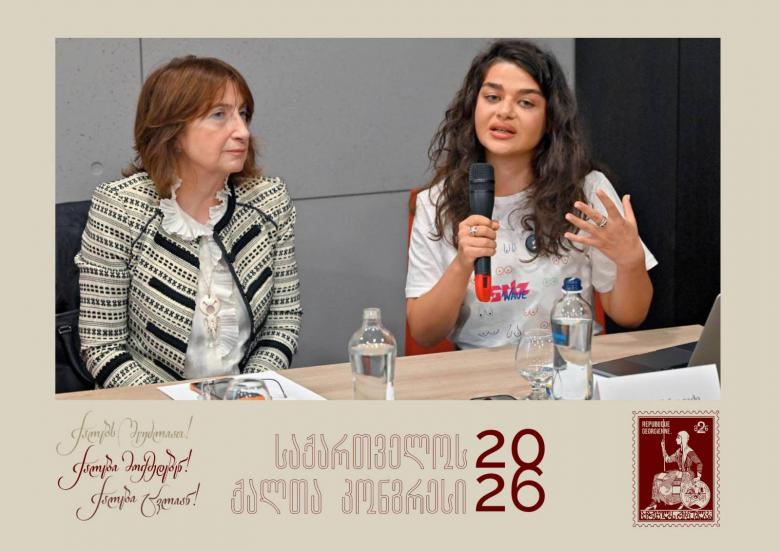
Salome Bregvadze, a journalist and project manager at GrlzWave, spoke about the influence of social media and the role of modern digital communication in amplifying women’s voices. Social media enables women to share their experiences, speak out on public issues, and bring important topics to the forefront of public debate. However, making effective use of these opportunities requires responsible communication and awareness of the challenges of the digital environment.
 The panel’s central message was that digital inclusion means more than simply having access to technology. It also involves the ability to understand, create, and share information, express one’s views, and participate equally in public life.
Ensuring equal digital opportunities for women requires the development of digital skills, access to reliable information, consideration of the needs of women living in regional and ethnic minority communities, and the creation of a safe digital environment. Technology becomes a meaningful driver of change when it is accessible, understandable, and safe for every woman.
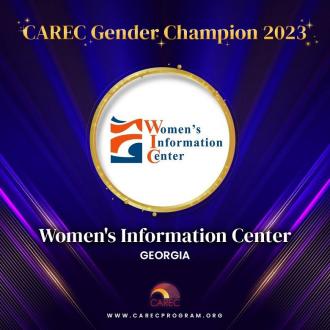
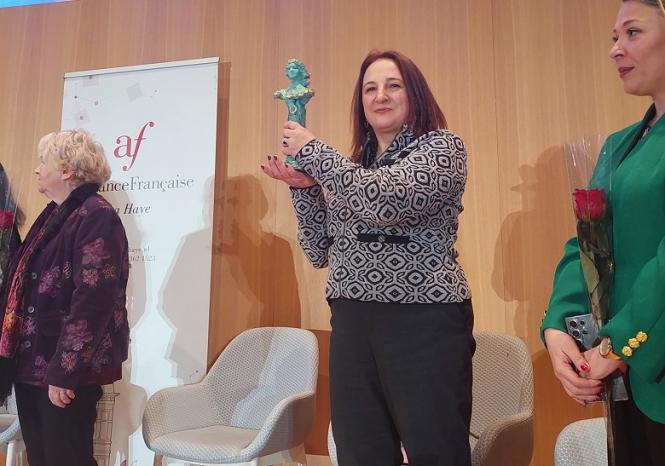
We take great pride in announcing that WIC from Georgia has been bestowed with the esteemed CAREC PROGRAM Gender Award—CAREC GENDER CHAMPIONS 2023. Certainly, it is noteworthy that women's organizations from various countries around the world were nominated for this prestigious award
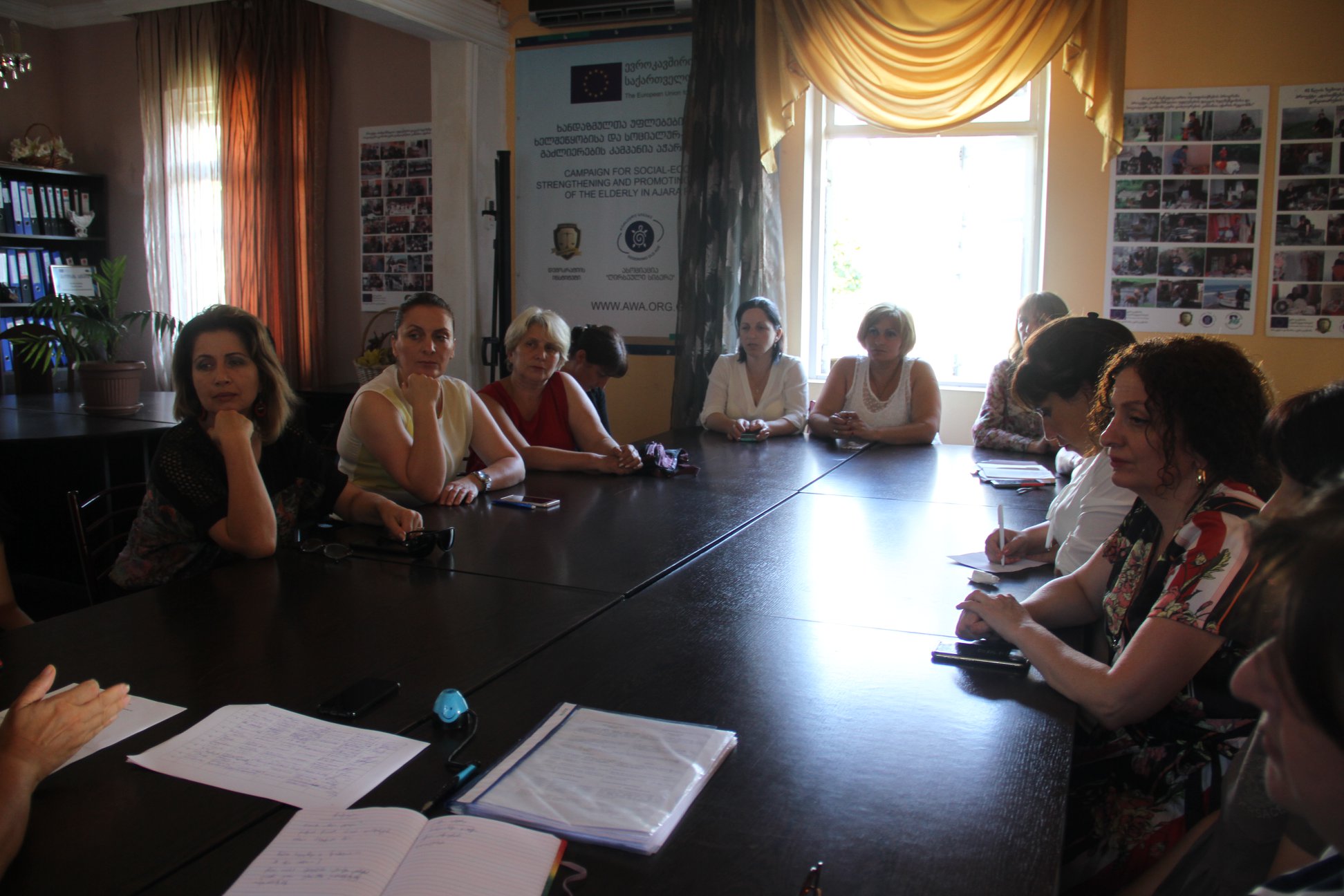
On July 26, 2019, representatives of the Women's Information Center organized a focus group in Kobuleti Municipality that included local leaders and women entrepreneurs who use / do not use the Women's Room Service.The purpose of the focus group was to evaluate the use of women's room services in the municipality for effective planning of further work.
 Address::
40, Tsinamdzgvrishvili Str., 0102,Tbilisi, Georgia