

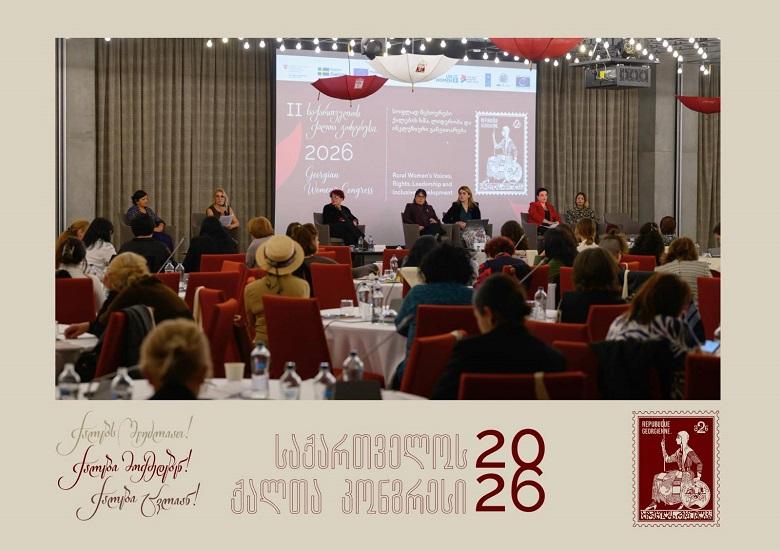
As part of the Second Congress of Women of Georgia, a special plenary session entitled “Violence, Discrimination and Access to Justice” brought together participants to discuss the challenges faced by rural women in preventing violence, ensuring safety, accessing support services, and seeking justice.
The discussion emphasized that escaping violence is only the first step towards women's empowerment. Alongside creating a safe environment, it is essential to establish conditions that enable women to rebuild their lives, achieve economic independence, and participate fully in public life. In this process, reducing the social, economic, geographical, and informational barriers that exist in rural areas is particularly important.
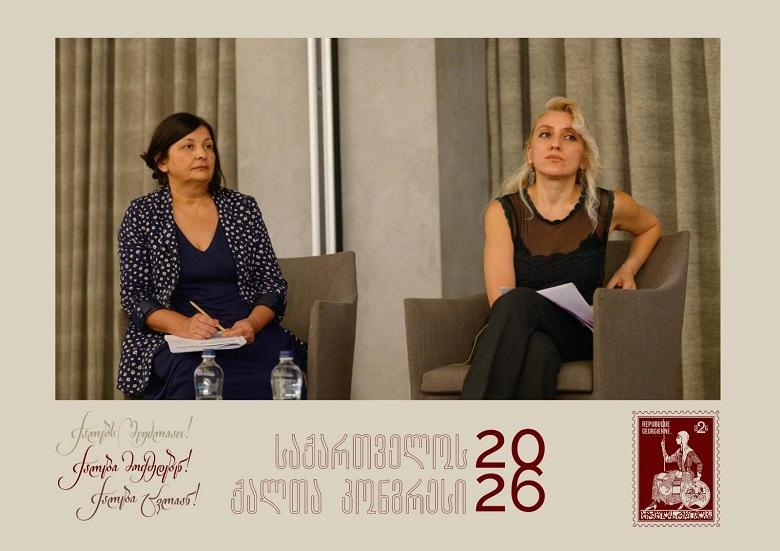
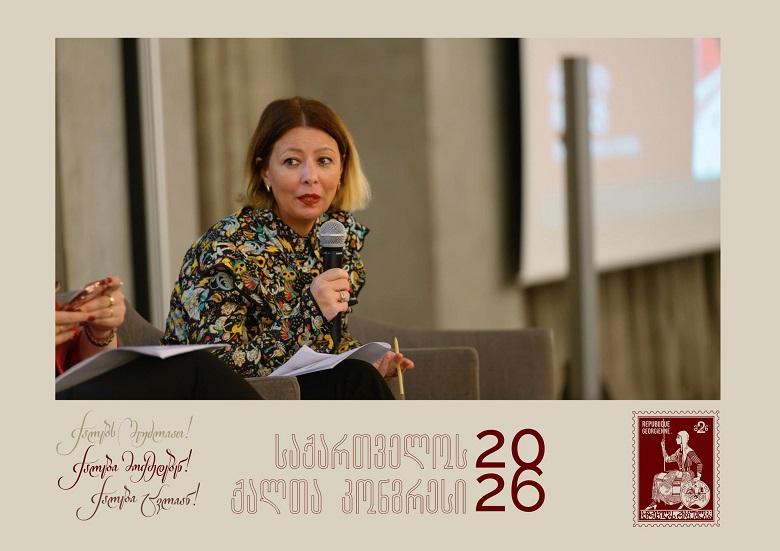 The session was moderated by Irina Japaridze, Programme Manager for Ending Violence Against Women at UN Women. The speakers were Ketevan Zoidze, Mariam Dalakishvili, Maia Tsiramua, Nana Todua, and Eliso Rukhadze.
Violence Prevention and Rebuilding an Independent Life
Ketevan Zoidze discussed domestic violence through the lens of her personal experience and her observations of other women who have experienced violence, highlighting it as not only an individual issue but also a societal problem. She emphasized the importance of education and collective responsibility in preventing violence.
 In her view, prevention should begin at an early age and include strengthening knowledge of equality, rights, responsibility, and healthy behavioural patterns. Families, in turn, should serve as spaces of safety, support, and shared responsibility.
The speaker also stressed the importance of restoring the psychological well-being and economic independence of women who have experienced violence. This requires creating professional opportunities, strengthening rehabilitation and social programmes, and ensuring that women have the practical means to rebuild their lives independently.
Mariam Dalakishvili, founder of Speak Up!, spoke about the challenges women face after leaving abusive environments. Drawing on her personal experience, including that of being a parent of a child with a disability, she highlighted how women's independence is closely linked to caregiving responsibilities, employment, securing an income and housing, access to education, and rebuilding social connections.
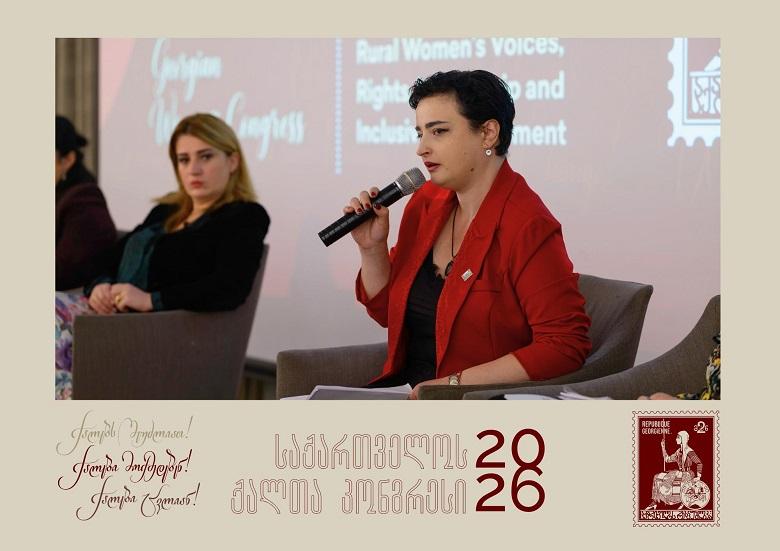 Particular attention was paid to the practical accessibility of support services. Their formal existence does not necessarily mean that women and their families can actually use them. Financial, geographical, time-related, and administrative barriers make accessing assistance especially difficult in rural areas.
Mariam Dalakishvili also highlighted the importance of women's self-organization and mutual support. In her view, women should not be merely recipients of support; they should actively participate in designing the programmes and shaping the decisions that affect their lives.
Sexual Violence Trauma and Psychosocial Support
Psychologist Maia Tsiramua discussed recovery from sexual violence trauma, drawing on the clinical practice of the Georgian Centre for Psychosocial and Medical Rehabilitation of Torture Victims (GCRT).
She explained that trauma recovery is a multidimensional process that cannot be addressed through a single type of intervention or an isolated response. It requires coordinated, multidisciplinary support, with the restoration of psychological safety and the strengthening of personal resources serving as essential foundations.
The discussion addressed the processing and integration of traumatic memories, the development of self-regulation skills, self-compassion, and reintegration into society. Particular emphasis was also placed on the need for support systems that prevent the secondary victimization of survivors.
Regional Support Services and Local Challenges
Nana Todua, representing the Mercury Association, discussed the needs of women who have experienced violence and the importance of regional support services, drawing on the organization's nearly 20 years of experience in the Samegrelo-Zemo Svaneti region.
According to her presentation, social, economic, and geographical barriers often prevent rural women from accessing assistance. These challenges include limited information about women's rights and available services, financial and physical barriers to accessing support, economic dependence, and social and psychological obstacles.
The speaker also highlighted the need for further research into the potential links between domestic violence and women's labour migration. Particular attention was given to the continuity of regional services, psychological and post-trauma support, and the availability of safe, confidential spaces at the local level where women can speak about violence and seek assistance.
Access to Justice and Legal Support
Eliso Rukhadze, Chair of the Committee on the Prevention of Violence Against Women and founder of the law firm Eliso Rukhadze and Partners, addressed the legal and societal barriers that rural women face in accessing justice.
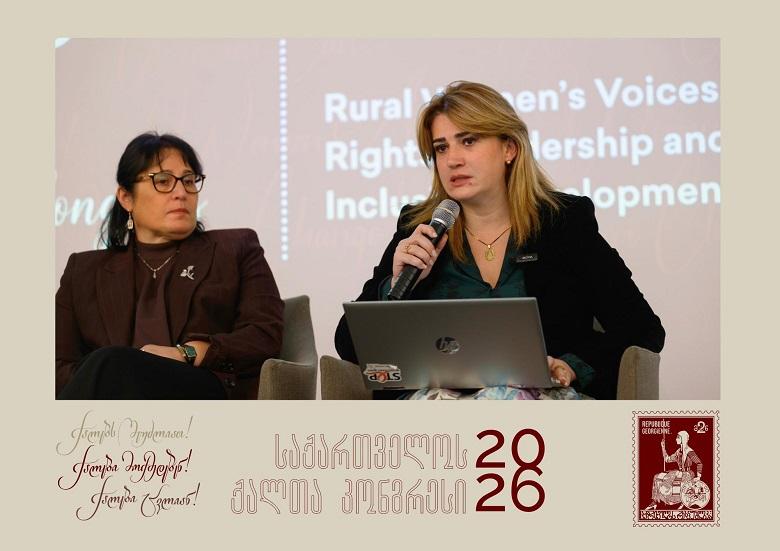 Her presentation focused on limited legal awareness, restricted access to lawyers and free legal aid, and insensitive treatment by law enforcement officials. These challenges are further exacerbated by entrenched gender stereotypes, societal indifference to violence, and victim-blaming practices, which discourage women from seeking help.
The speaker emphasized the importance of raising legal awareness, strengthening access to free legal and psychological support, and ensuring gender-sensitive, survivor-centred justice systems.

We take great pride in announcing that WIC from Georgia has been bestowed with the esteemed CAREC PROGRAM Gender Award—CAREC GENDER CHAMPIONS 2023. Certainly, it is noteworthy that women's organizations from various countries around the world were nominated for this prestigious award

On July 26, 2019, representatives of the Women's Information Center organized a focus group in Kobuleti Municipality that included local leaders and women entrepreneurs who use / do not use the Women's Room Service.The purpose of the focus group was to evaluate the use of women's room services in the municipality for effective planning of further work.

 Address::
40, Tsinamdzgvrishvili Str., 0102,Tbilisi, Georgia